32 products · PKR prices · Updated October 2026
Thermal Insulation MaterialsPrice in Pakistan
Shop genuine thermal insulation materials at EU Enterprise, Lahore. Prices range from Rs 900 to Rs 16,000. Order online or on WhatsApp with Cash on Delivery across Pakistan.
Showing 1–12 of 32 products · Page 1 of 3
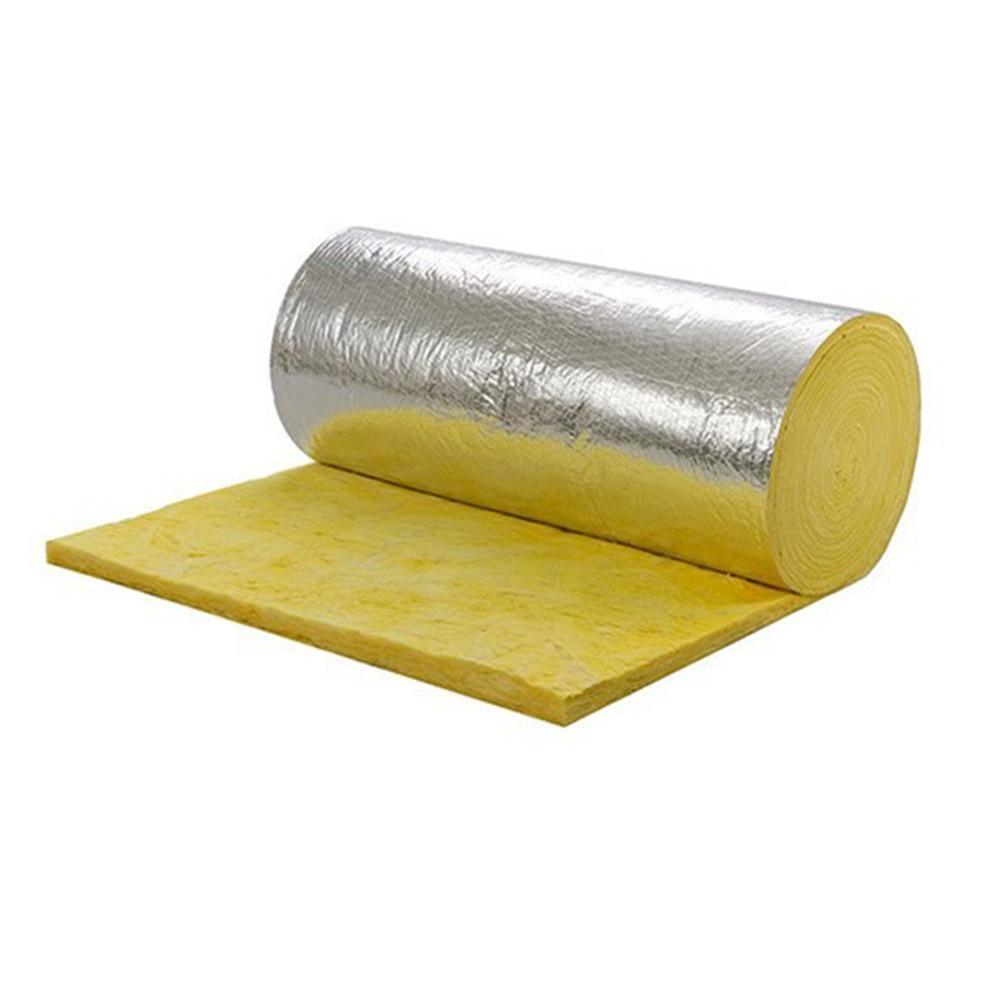
Fiber Glass Wool roll heat resistant heat insulator - Half Roll
Rs 7,800
10 in stock
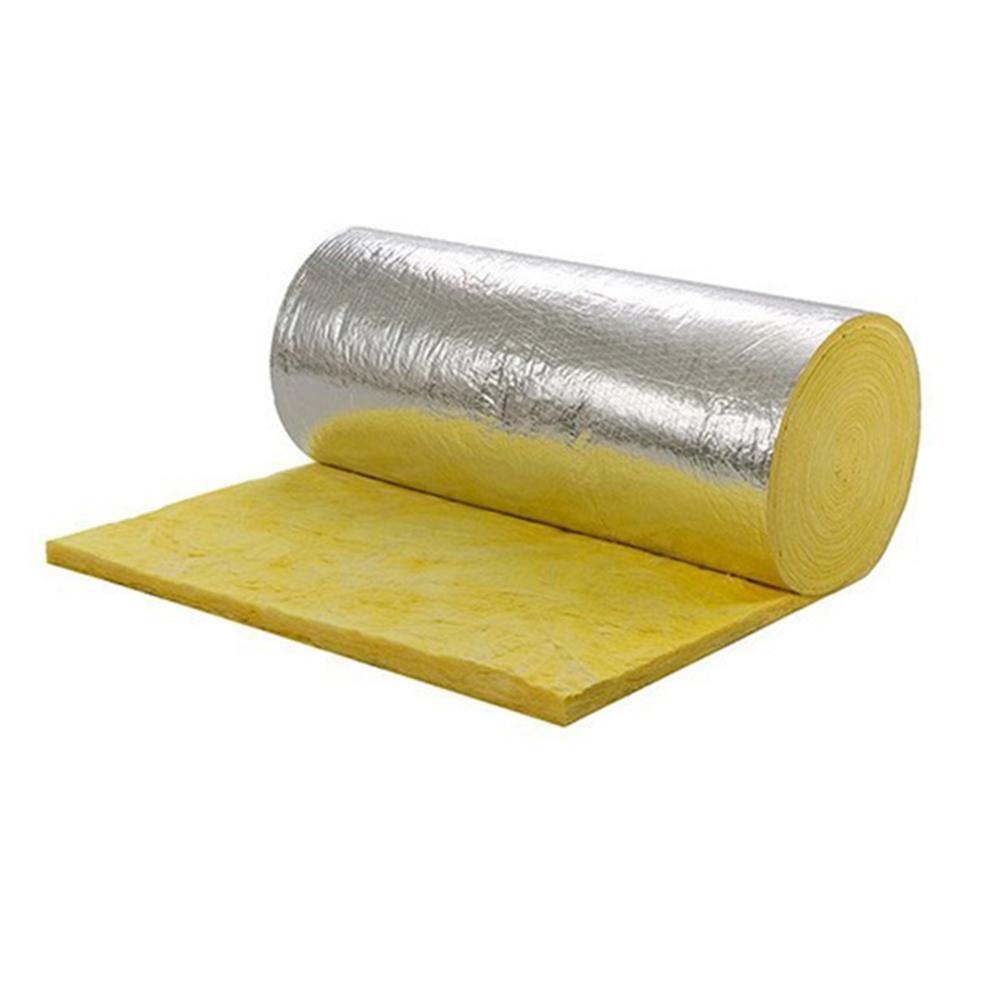
Fiber Glass Wool roll heat resistant heat insulator - Full Roll
Rs 11,500
10 in stock
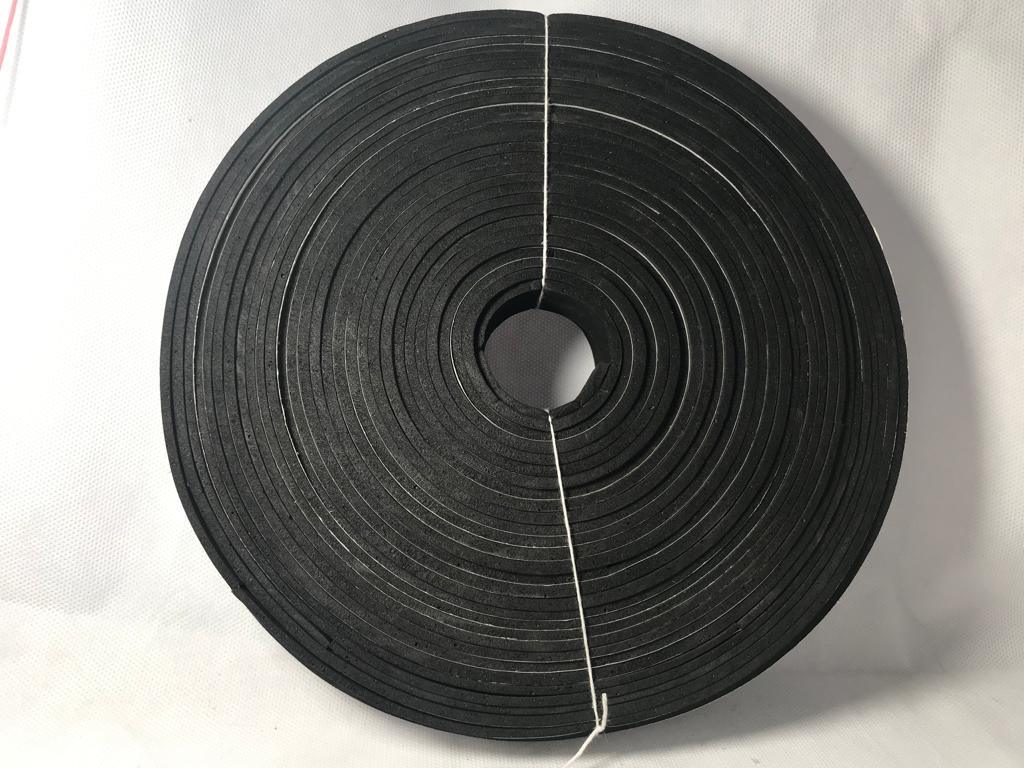
Spunge patti tap 1 side
Rs 900
10 in stock
Fiber Glass Wool roll Glass Wool Blanket - 4x4 foot
Rs 1,800
10 in stock
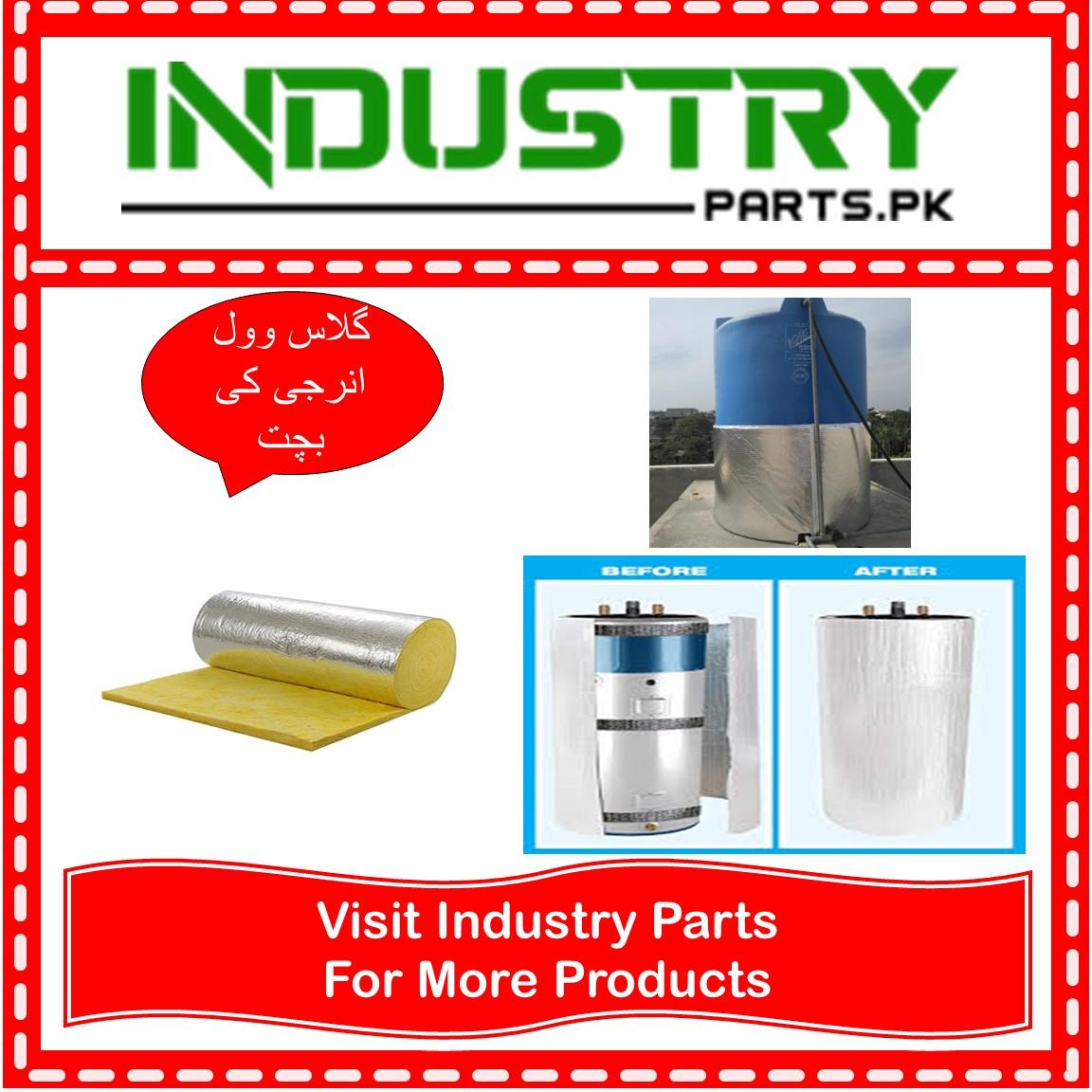
Fiber Glass Wool roll Glass Wool Blanket - 10x4 foot
Rs 3,500
10 in stock
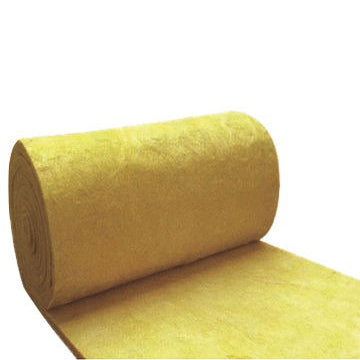
Yellow Glass Wool Insulation Wool without Facing
Rs 9,900
10 in stock
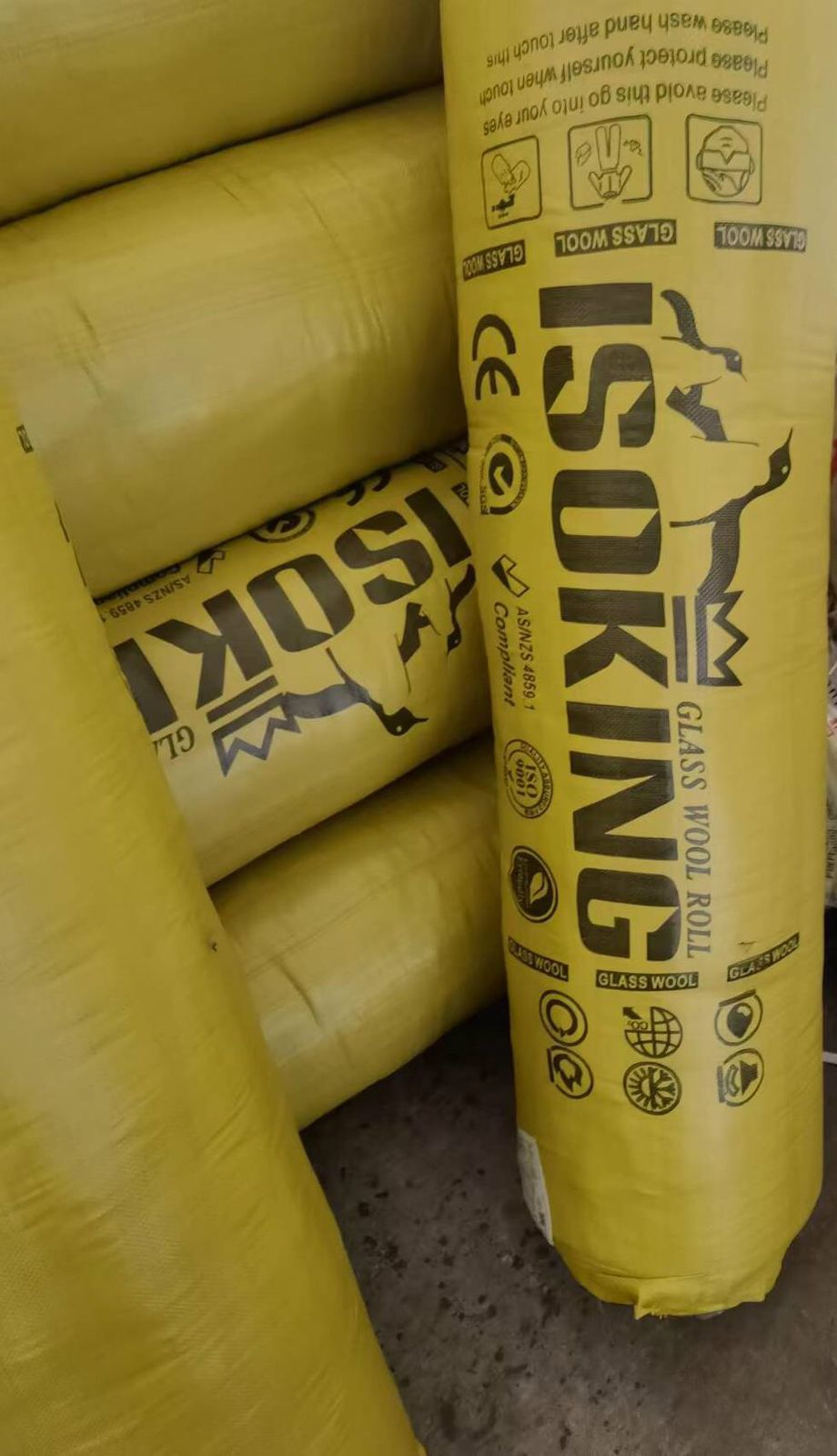
SOKING Heat Insulation Fiber-Glass Wool Rolls without panni
Rs 8,500
10 in stock
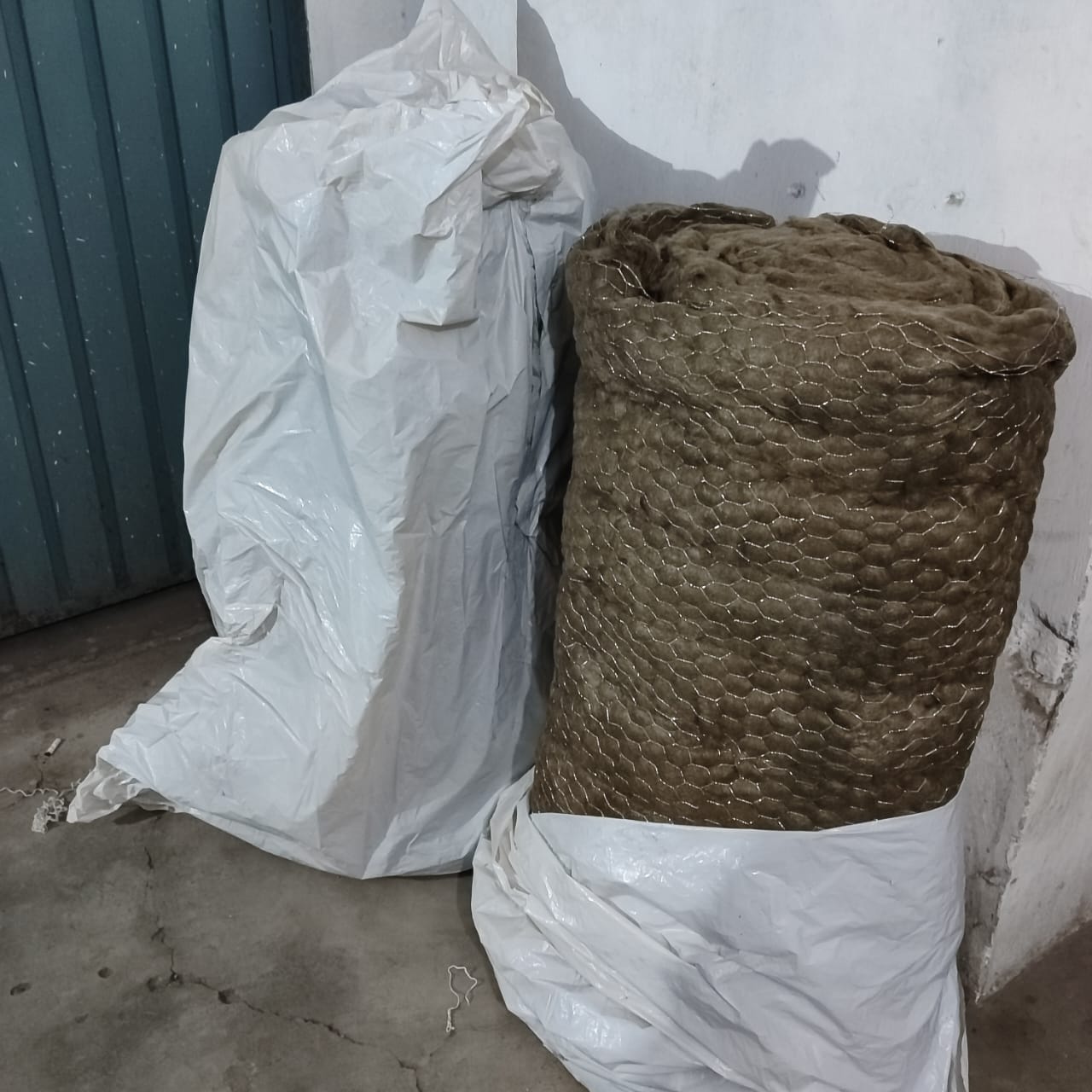
Mineral Wool, Rock Wool for Home and Industry Insulation best for Noise insulation - 60kg Density
Rs 5,400
10 in stock
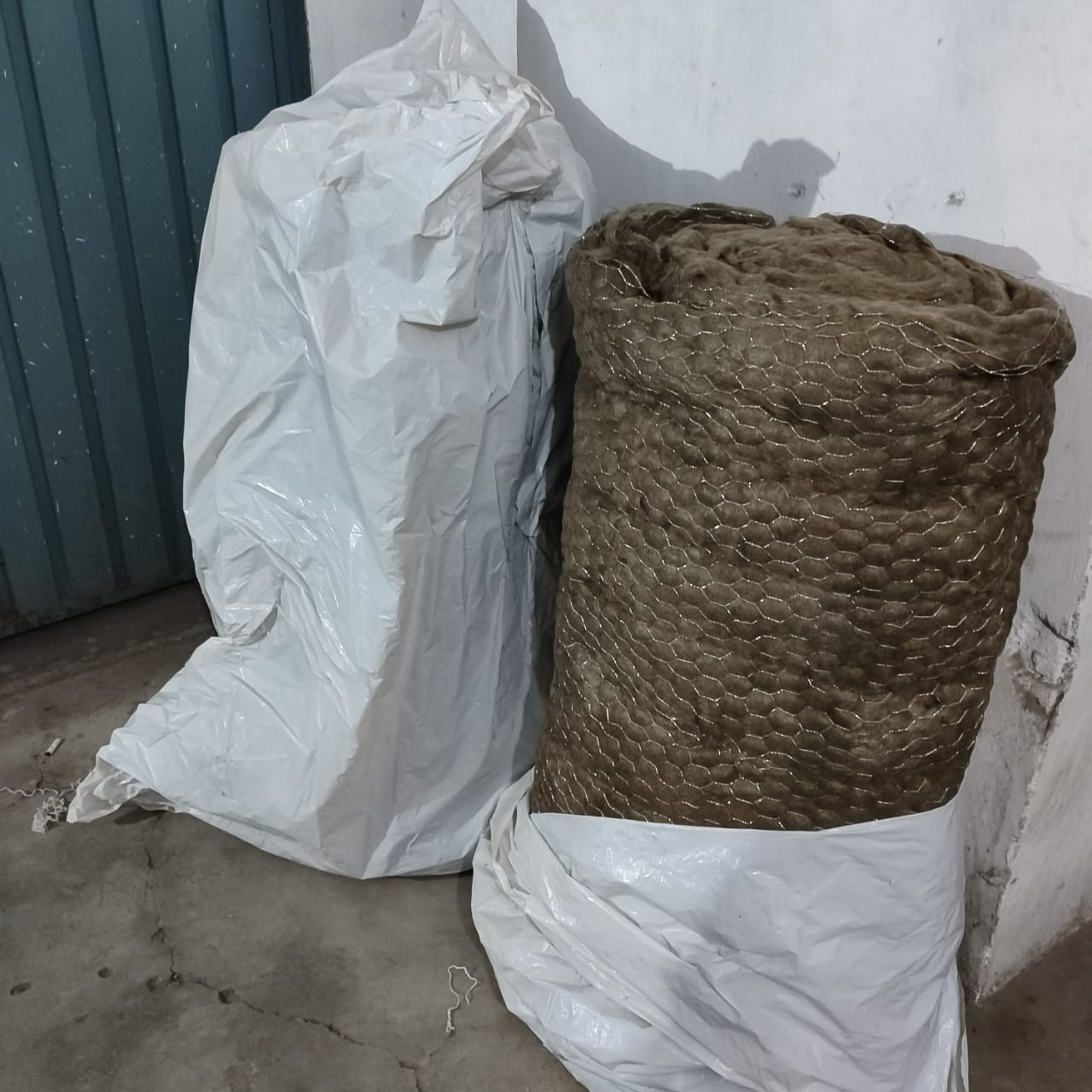
Mineral Wool, Rock Wool for Home and Industry Insulation best for Noise insulation - 50kg Density
Rs 4,800
10 in stock
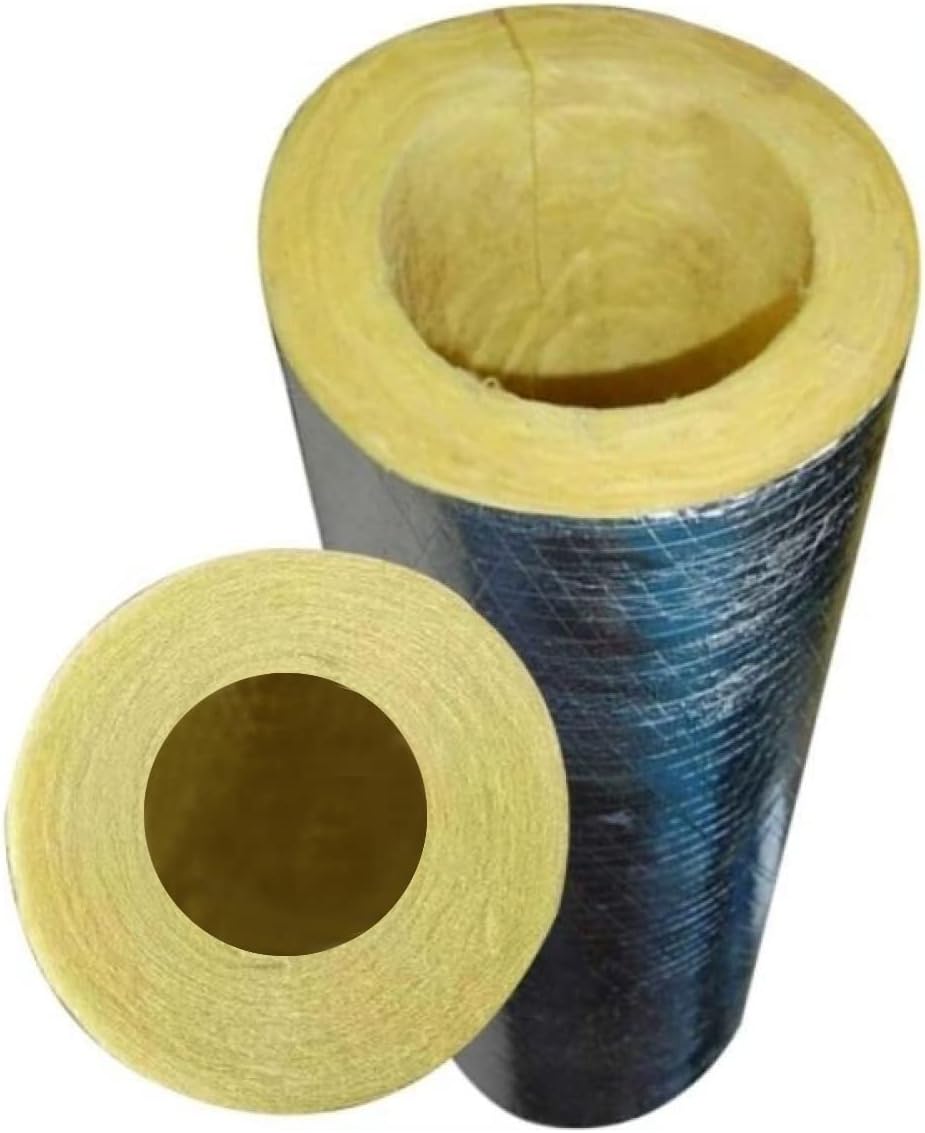
Glass Wool Thermal Insulation Tube Shell 1 inch thicknes - 5"/2"
Rs 5,200
10 in stock
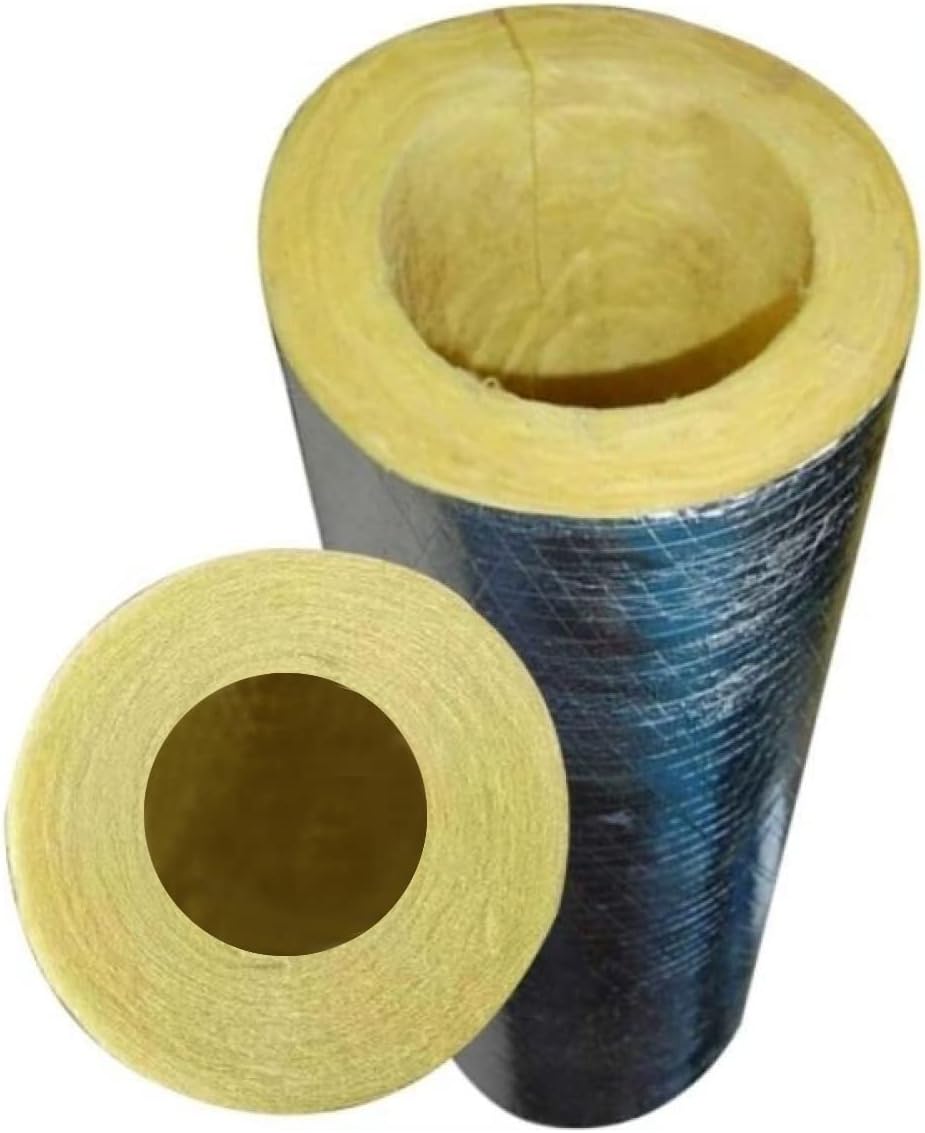
Glass Wool Thermal Insulation Tube Shell 1 inch thicknes - 6"/2"
Rs 6,500
10 in stock
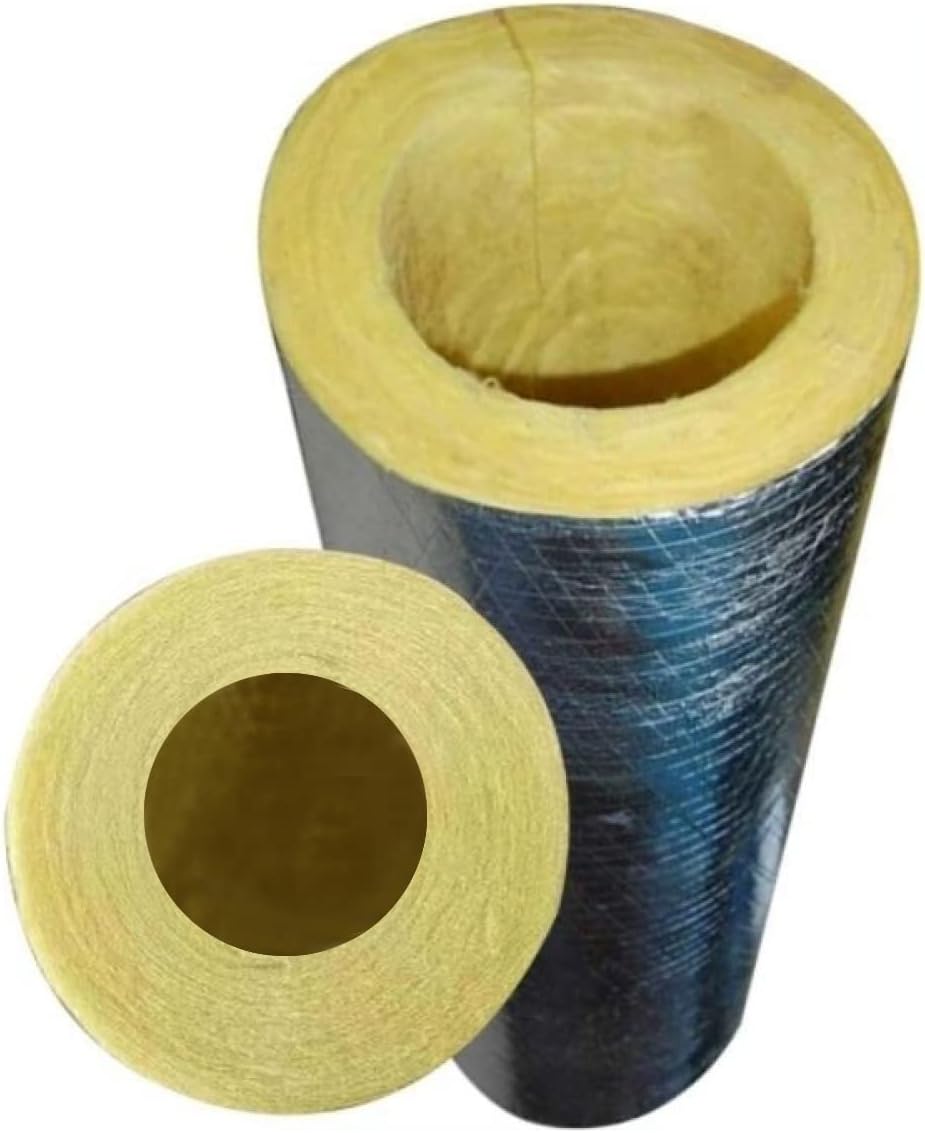
Glass Wool Thermal Insulation Tube Shell 1 inch thicknes - 8"/2"
Rs 9,600
10 in stock
Thermal Insulation Materials Price List in Pakistan (October 2026)
Prices in PKR · Updated October 2026
About Thermal Insulation Materials
Thermal insulation cuts heat loss from hot pipes, boilers, ovens and ducts and keeps cold lines from sweating. This range covers glass wool and rock (mineral) wool rolls and boards, pipe shells, ceramic-fibre blanket and board for furnaces, heat-resistant tapes and ropes, and foam insulation.
Pick the material by the temperature it must withstand, then by the thickness needed.
How to choose
- Temperature limit: glass wool suits moderate temperatures (up to roughly 250–400 °C, depending on the grade), mineral wool goes higher, and ceramic fibre is used for furnace temperatures above 1,000 °C. Always check the maker’s maximum service temperature.
- Density and thickness: denser boards and blankets are stronger and hold their shape better. Choose the thickness to reach the heat loss or surface temperature you need.
- Facing: a foil or FSK (foil-scrim-kraft) facing acts as a vapour barrier on cold lines and ducts. Unfaced wool is used where a separate cladding is fitted.
- Form: rolls and blankets for ducts and large surfaces, boards for flat panels and pre-formed shells for pipes.
- Handling: the fibres irritate the skin and lungs, so wear gloves, long sleeves, eye protection and a dust mask when cutting and fitting, and an FFP3 respirator for ceramic fibre.
Thermal Insulation Materials: frequently asked questions
Is glass wool or rock wool better for pipes?
Both insulate well. Glass wool is lighter and more economical at moderate temperatures, while rock wool tolerates higher temperatures and is firmer. Choose by the pipe temperature.
Does insulation need a vapour barrier?
On cold lines such as chilled water, refrigeration and air-conditioning ducts, yes: it stops moisture condensing in the insulation. On hot lines a vapour barrier is usually not needed.
What is ceramic fibre used for?
It lines furnaces, kilns and ovens and wraps very hot components, because it withstands temperatures above 1,000 °C. Wear an FFP3 respirator when handling it.