418 products · PKR prices · Updated October 2026
Meters & TestersPrice in Pakistan
Shop genuine meters & testers from UNI-T, Tense, Metess and Chint at EU Enterprise, Lahore. Prices range from Rs 210 to Rs 889,000. Order online or on WhatsApp with Cash on Delivery across Pakistan.
Showing 1–12 of 418 products · Page 1 of 35
 Featured
UNI-T
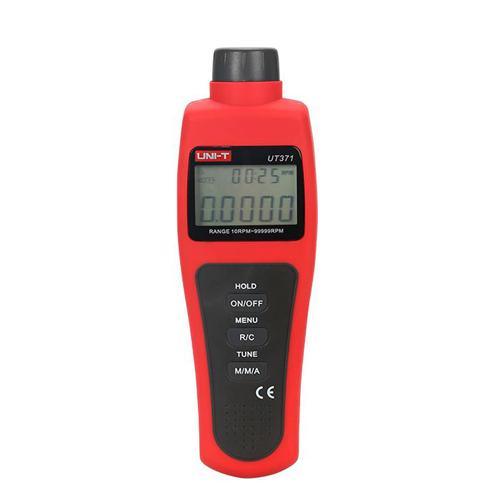
UNI T UT371 Non Contact Digital Tachometer
Rs 19,500
10 in stock
 Featured
UNI-T
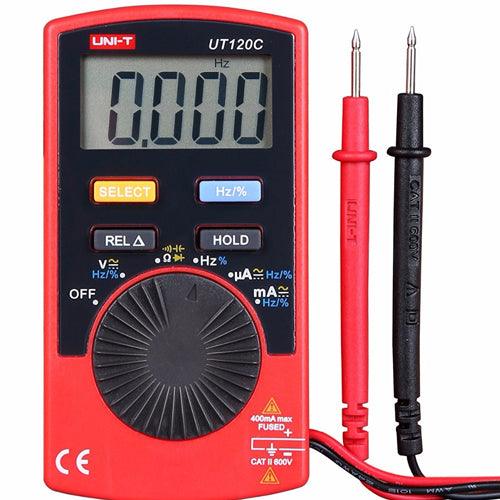
UNI T UT120C Pocket Size Digital Multi Meter
Rs 5,640
10 in stock
 Featured
UNI-T
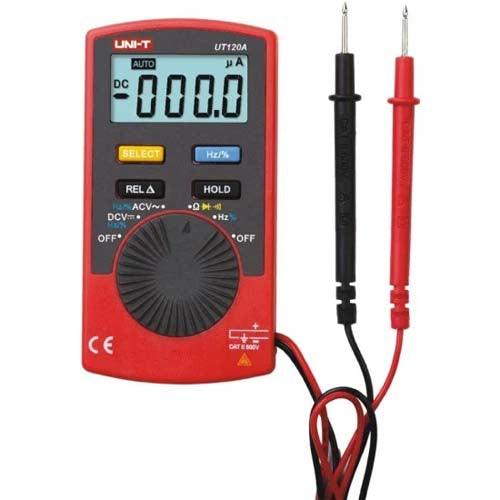
UNI T UT120A Pocket Size Digital Multi meters
Rs 4,200
10 in stock
 Featured
UNI-T
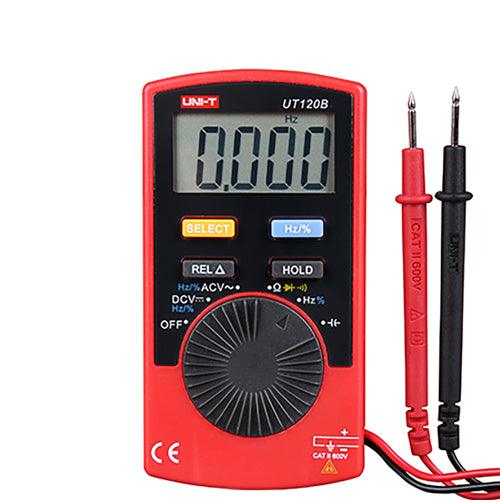
UNI T UT120B Pocket Size Digital Multi Meters
Rs 5,160
10 in stock
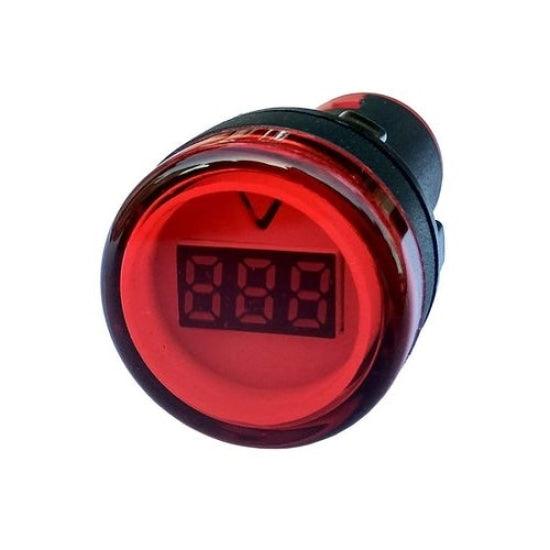
Round Shape Panel Mount Digital AC Voltmeter
Rs 225
10 in stock
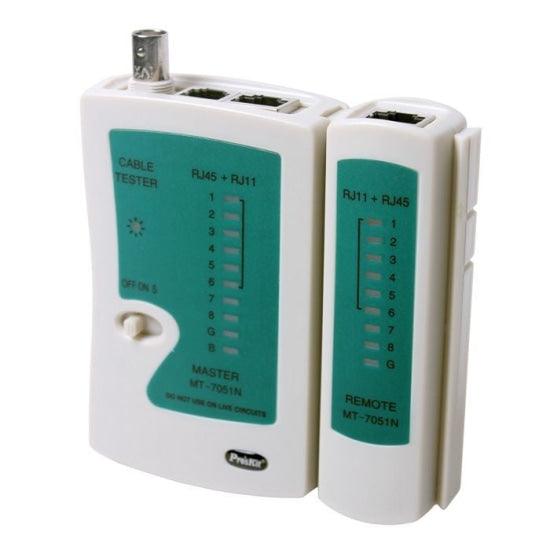
Pros Kit Network Cable Tester MT-7051N
Rs 2,625
10 in stock
Tense
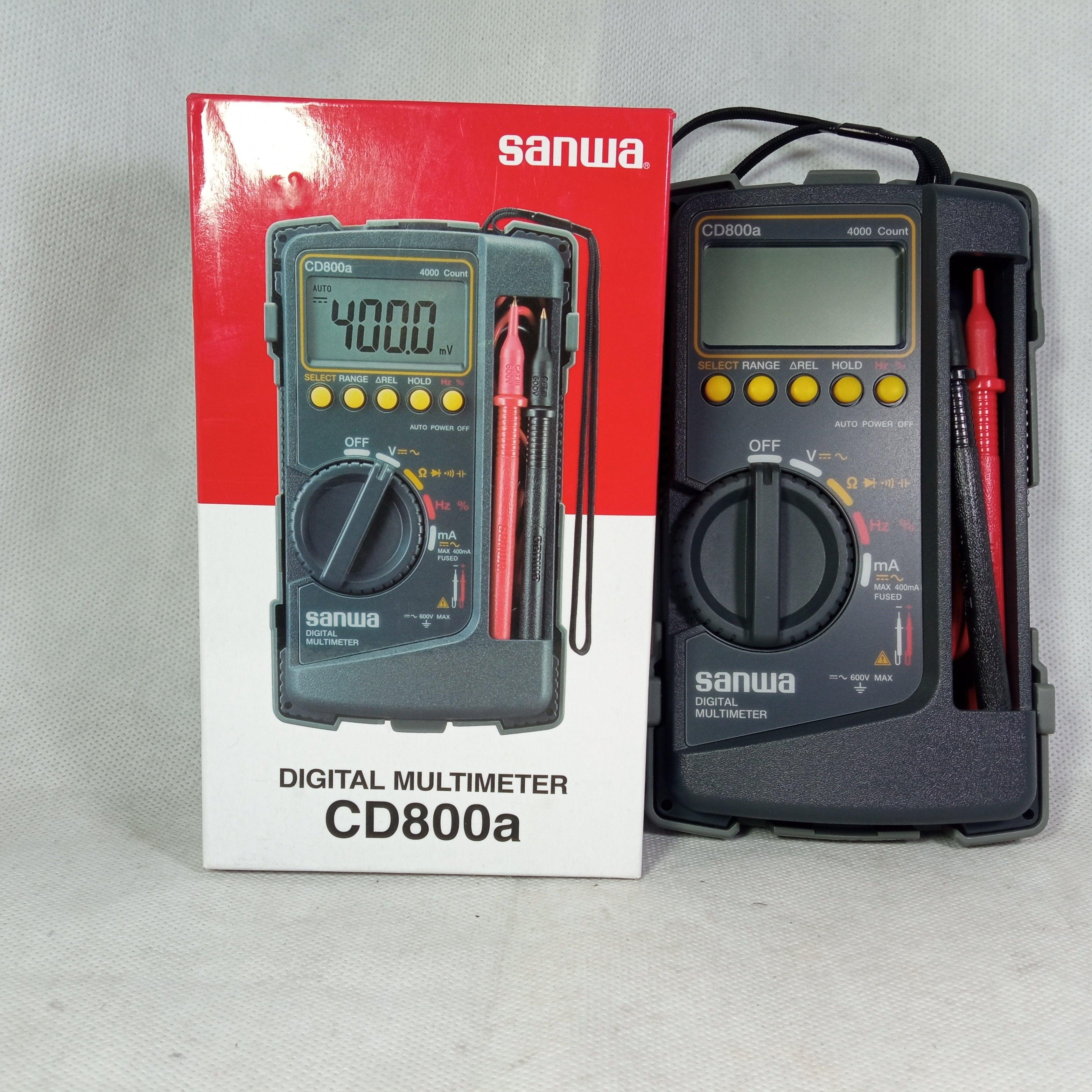
Digital Multimeter Sanwa CD800a Original
Rs 13,500
10 in stock
Tense
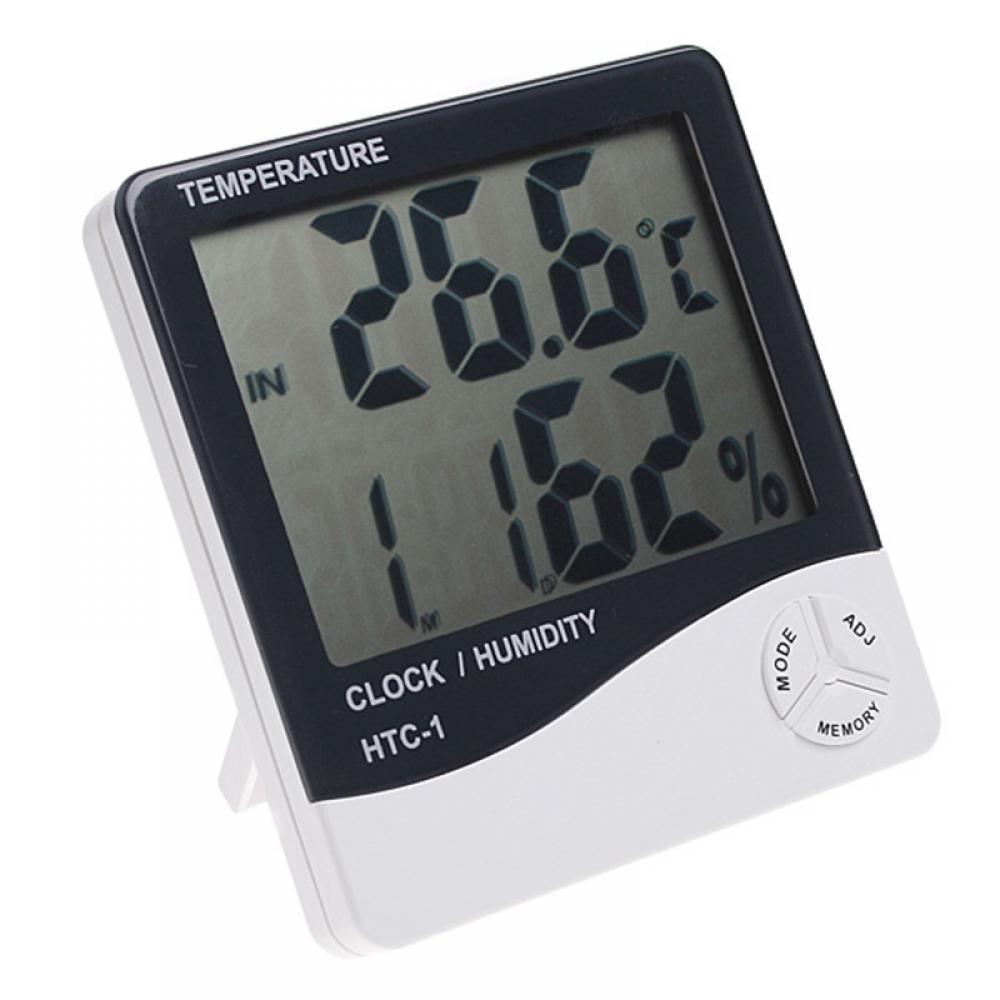
Temperature and Humidity Meter HTC-1
Rs 780
10 in stock
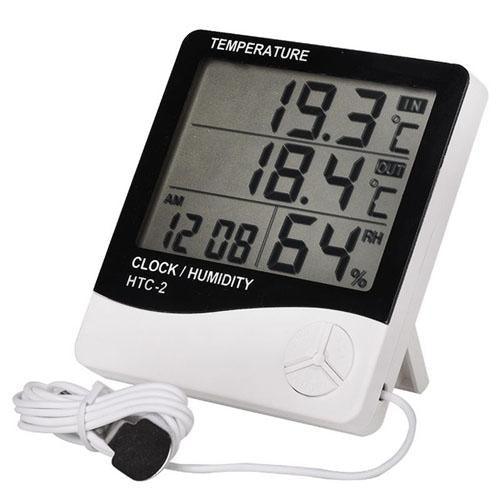
HTC-2 Indoor Room Digital Thermometer
Rs 900
10 in stock
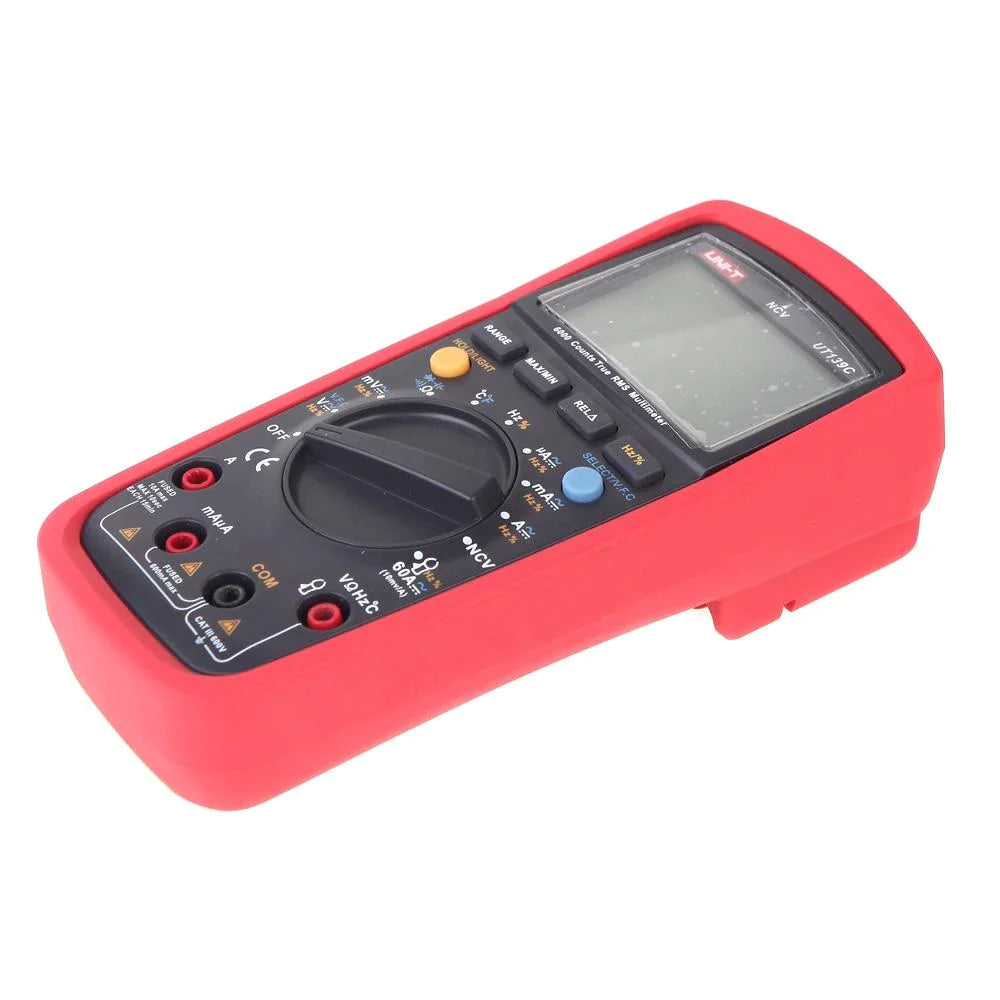
UT139C True RMS Auto Range Digital Multimeter
Rs 14,375
10 in stock
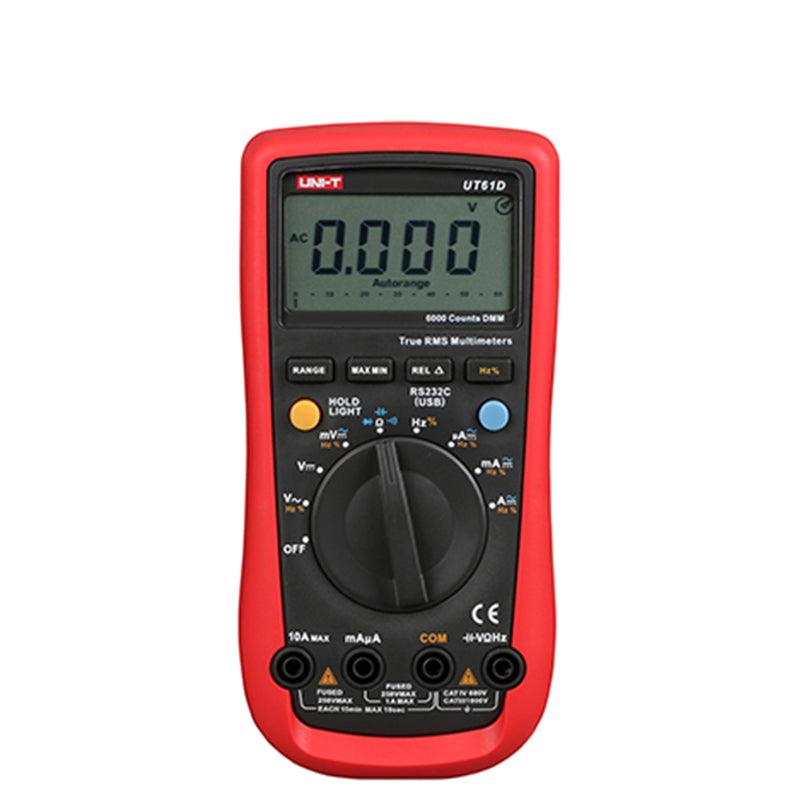
UT61D True RMS Count Auto Range Digital Multimeter
Rs 17,400
10 in stock
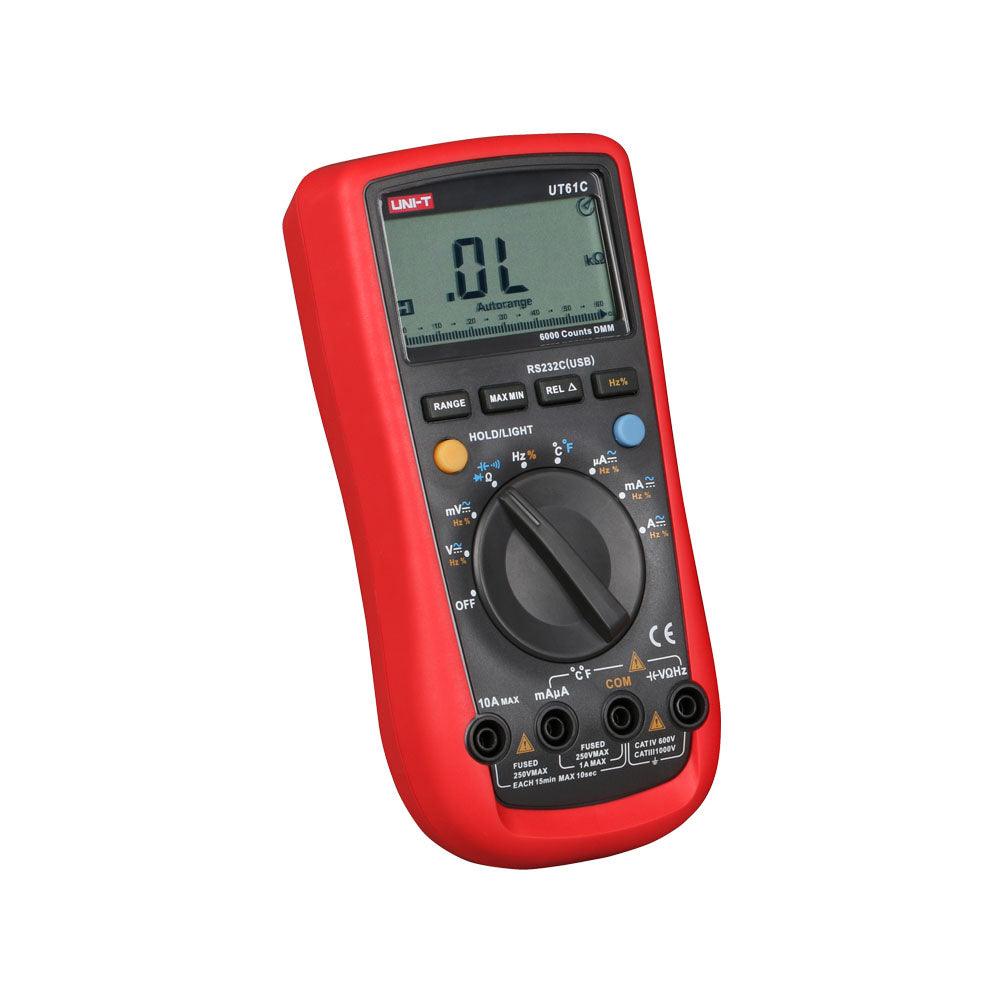
UT61C Digital Auto Range Multi Meter
Rs 16,000
10 in stock
Meters & Testers buying guides
Meters & Testers Price List in Pakistan (October 2026)
Prices in PKR · Updated October 2026
| Product | Price |
|---|---|
| UNI T UT371 Non Contact Digital Tachometer | Rs 19,500 |
| UNI T UT120C Pocket Size Digital Multi Meter | Rs 5,640 |
| UNI T UT120A Pocket Size Digital Multi meters | Rs 4,200 |
| UNI T UT120B Pocket Size Digital Multi Meters | Rs 5,160 |
| Round Shape Panel Mount Digital AC Voltmeter | Rs 225 |
| Pros Kit Network Cable Tester MT-7051N | Rs 2,625 |
| Digital Multimeter Sanwa CD800a Original | Rs 13,500 |
| Temperature and Humidity Meter HTC-1 | Rs 780 |
| HTC-2 Indoor Room Digital Thermometer | Rs 900 |
| UT139C True RMS Auto Range Digital Multimeter | Rs 14,375 |
| UT61D True RMS Count Auto Range Digital Multimeter | Rs 17,400 |
| UT61C Digital Auto Range Multi Meter | Rs 16,000 |
About Meters & Testers
This range covers the instruments used to measure and test electrical installations and equipment: digital multimeters, clamp meters, insulation resistance and earth testers, energy (kWh) meters, panel voltmeters and ammeters, thermometers, tachometers, laser distance meters, oscilloscopes, and network or phase testers.
Choose a tester by what you need to measure and by the safety category it is built for. A basic meter used at the wrong point of an installation is a safety risk.
How to choose
- Safety rating: instruments carry a measurement category (CAT II, CAT III or CAT IV) and a maximum voltage under IEC 61010. Use CAT III 600 V or higher for distribution boards, and CAT IV for the incoming supply of a 400 V installation.
- True RMS: choose a true-RMS meter for drives, LED lighting and other non-sinusoidal loads, because average-reading meters can read wrongly on them.
- Clamp or probe: a clamp meter measures current without breaking the circuit (AC only on basic models, AC and DC on Hall-effect types), while a multimeter measures voltage, resistance and continuity. Many clamp meters combine both.
- Range and features: the display counts (for example 6,000 or 20,000), the maximum current and voltage, and extras such as non-contact voltage detection, capacitance, frequency and temperature.
- Panel and energy meters: the input range (direct up to about 100 A, or through a current transformer), the front size (48 × 48 up to 96 × 96 mm), the supply voltage, and single-phase or three-phase connection.
Meters & Testers: frequently asked questions
Should I buy a clamp meter or a multimeter?
A clamp meter measures current without disconnecting any wire, which suits maintenance work on live circuits. A multimeter is better for low-level measurements. Many technicians carry a clamp meter that also has multimeter functions.
What does CAT III mean on a meter?
It is the measurement category for the part of the installation the meter is built for. CAT III covers distribution boards and fixed installations, and CAT IV the origin of the installation such as the service entrance. A higher category withstands larger transient overvoltages.
How often should a test instrument be calibrated?
Professional instruments are usually calibrated once a year or as your quality system requires, and after any drop, overload or damage.